As of April 1, 2026, Airdrie’s recycling program is managed by Circular Materials, a national not-for-profit organization that is committed to building an efficient and effective recycling system in Alberta.
Pizza boxes, direct mail boxes, moving boxes, shoe boxes.
✅ Flatten. No larger than 60 x 60 cm.
Boxboard
Cereal boxes, tissue boxes, egg cartons, rolls from toilet paper and paper towel.
✅ Flatten.
✅ Empty.
Cartons
Coffee creamers, and sugar cartons, soup and sauce cartons.
✅ Empty and free from food residue.
✅ Keep lids on.
Paper
Any colour, including flour bags, prescription bags, paper produce bags.
Notepads, white or coloured loose paper, file folders, other printed materials.
Community newspapers, flyers, brochures and magazines.
Greeting cards and envelopes, gift boxes.
✅ Empty.
✅ Place shredded paper in a tied clear plastic bag.
✅ Separate from plastic bags used to cover items, remove elastic bands.
✅ Remove rope handle from bags.
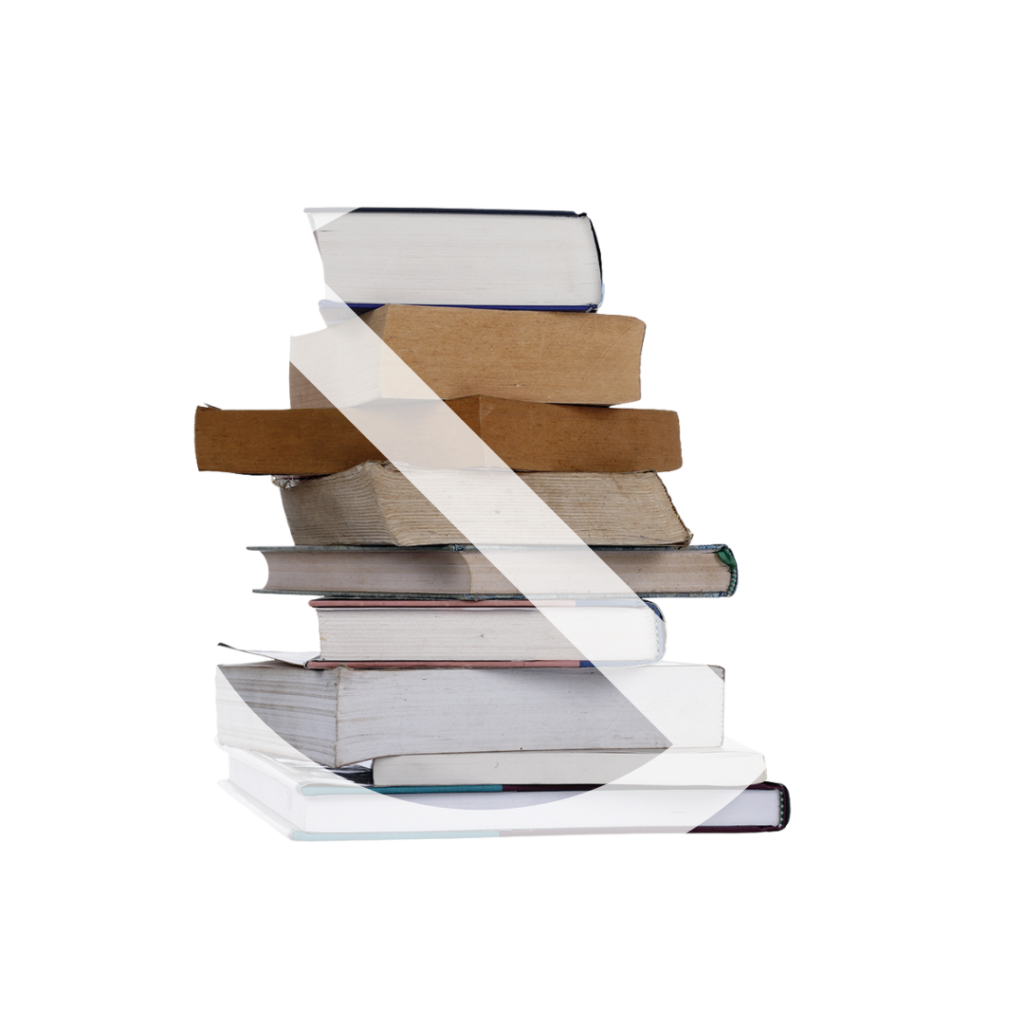
❌ Do not include soft or hard covered books/novels.
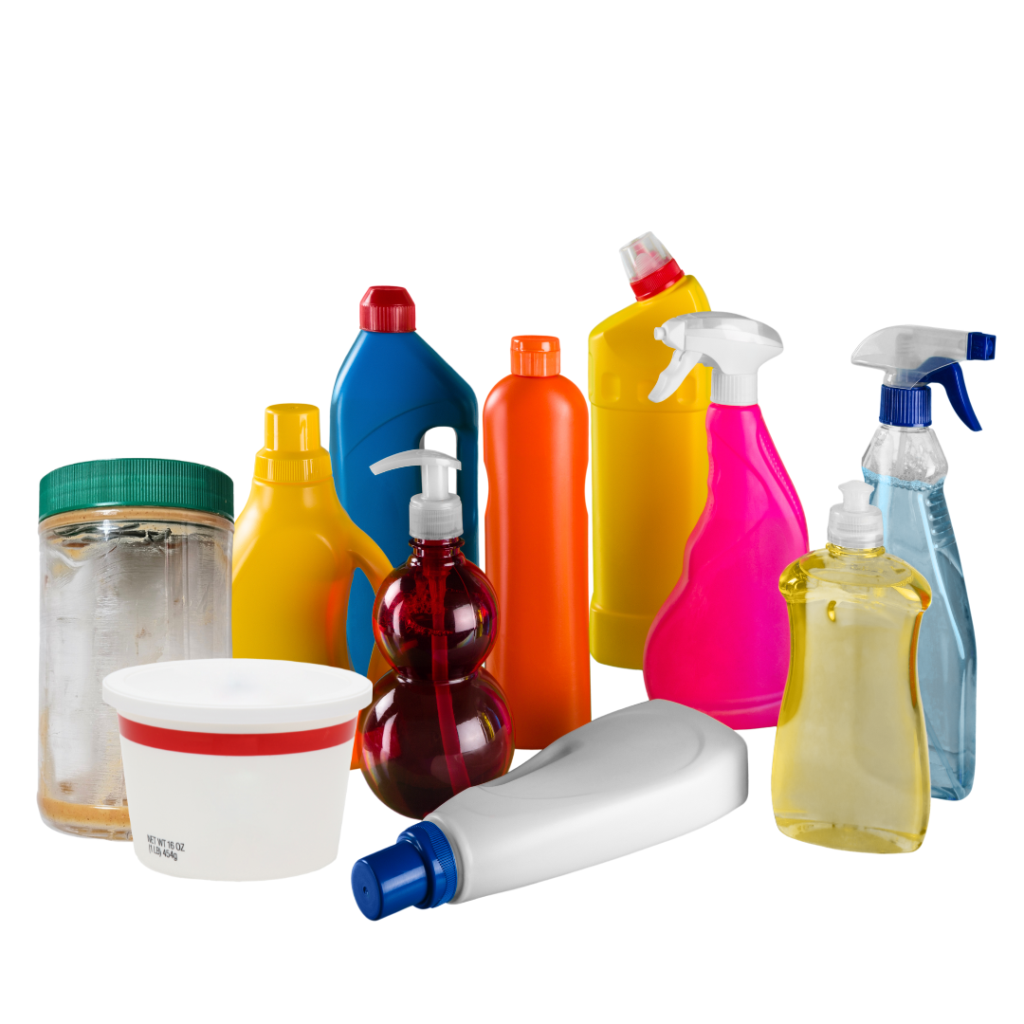
Hard plastic containers
Laundry detergent and household cleaner jugs, shampoo, body wash, salad dressing, condiment, dish soap, mouth wash bottles.
✅ Empty and free from food residue.
✅ Keep lids on.
Plastic packaging and containers
Food trays, salad, yogurt, peanut butter, bakery and egg containers, plastic cups, plastic tubs and lids, black plastic containers.
✅ Empty and free from food residue.
✅ Keep lids on.
Small item plastic packaging
Hand sanitizer bottles, medication bottles, blister packs, plant pots.
✅ Empty and free from food and residue.
✅ Keep lids on.
Stretchy plastic
Bags used for dry cleaning, bread, newspapers and flyers. Overwrap (paper towel & toilet paper, diapers).
✅ Empty and free from food residue.
✅ Place these in a securely tied clear bag before placing it in your blue cart.
Metal containers
Food cans, formula tins, metal lids, cookie, coffee and tea tins
✅ Empty and free from food residue.
Aluminum (foils and trays)
Aluminum foil, pie plates, frozen food trays.
✅ Empty and free from food residue.
Glass containers
Clear and coloured glass.
Food containers, jars and bottles, cosmetic containers, spice bottles, oil and vinegar bottles.
✅ Empty and free from food residue.
✅ Lids off.
Recycling tips
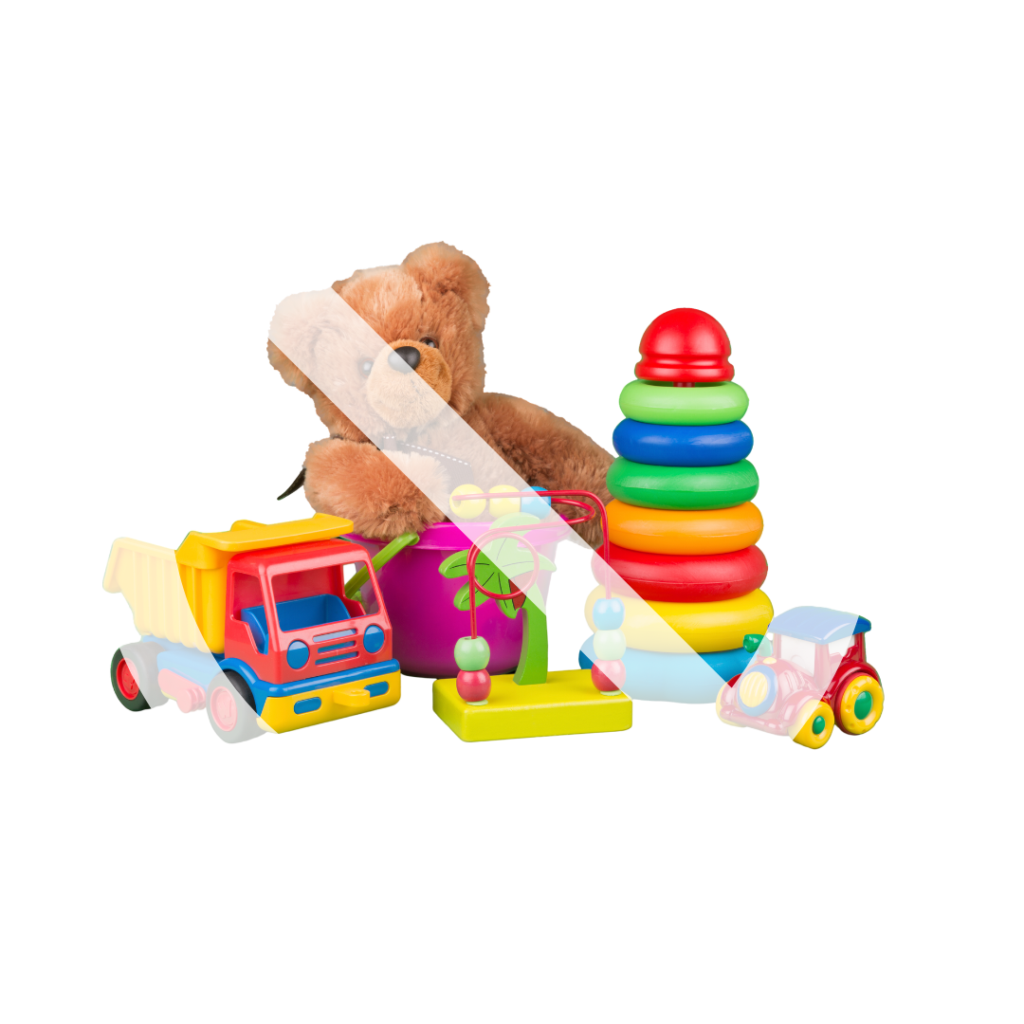
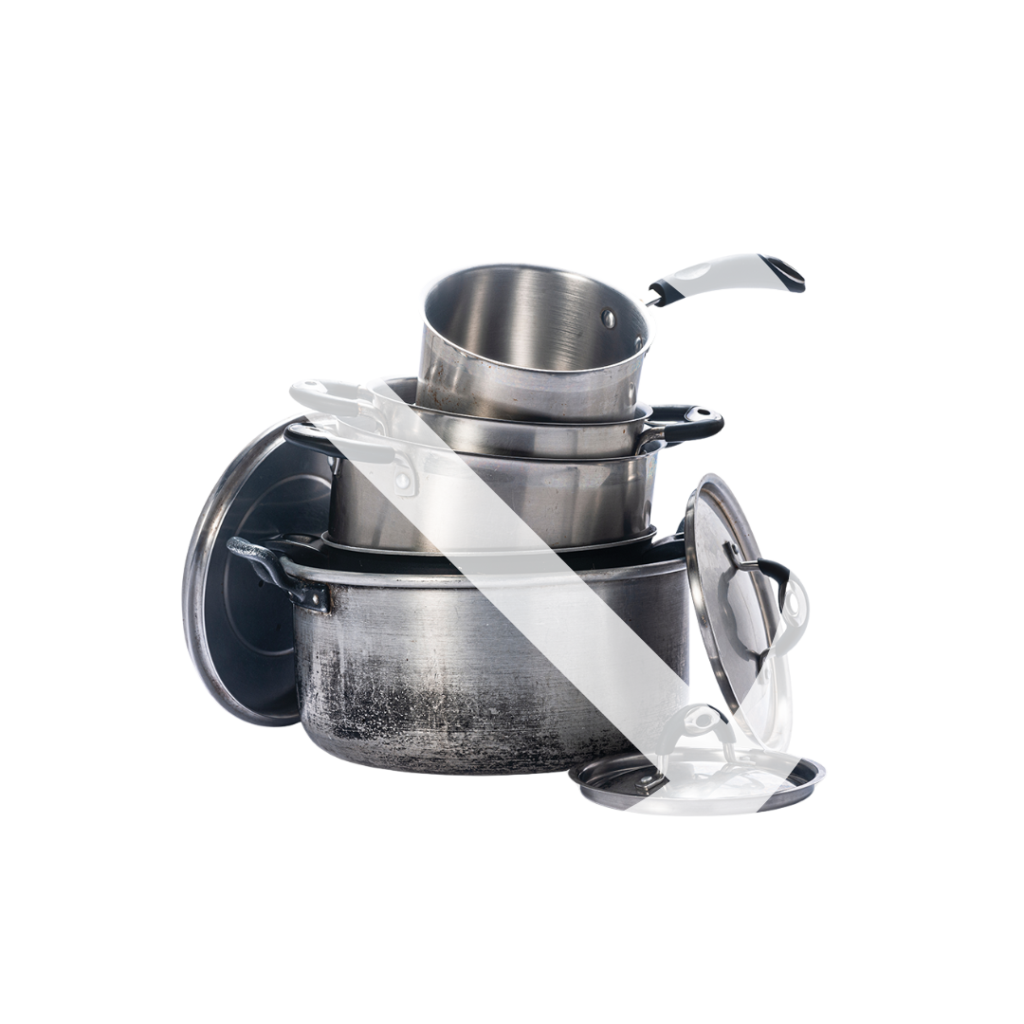
Items that are meant for long term use such as tupperware, toys, reusable water bottles and cookware, do not belong in your recycling. Consider donating them instead.
Your community may accept some specific items that are not listed in this guide. Contact your service provider for an extended list of accepted items.
Visit the Alberta Depot page to find the location of your nearest depot.
Be recycle ready
Separate containers from paper and cardboard products.
Give containers a quick rinse before putting in your recycling.
Place materials clean, dry and loose in your recycling.
Flatten and bundle cardboard to save space.
Lids and labels can remain on containers.
Have your recycling to the curb by 7 a.m. on collection day.
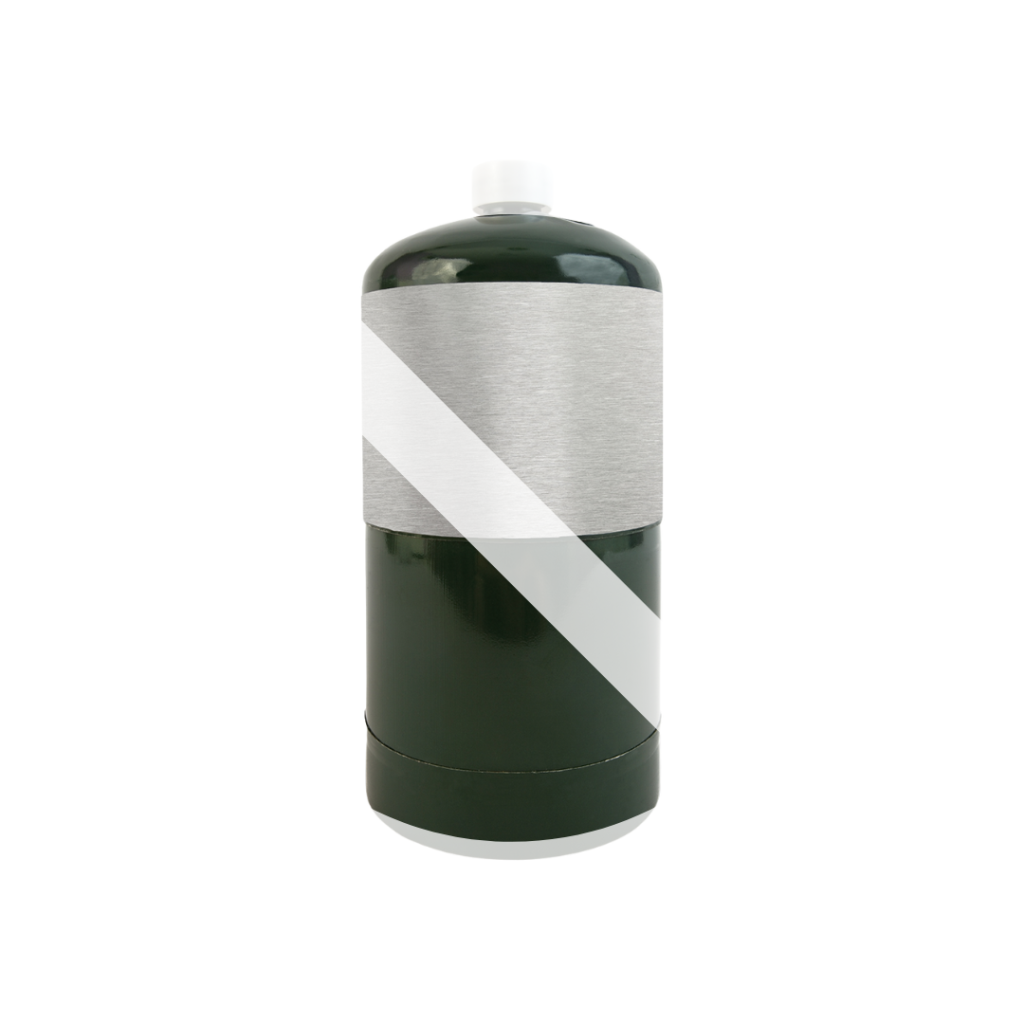
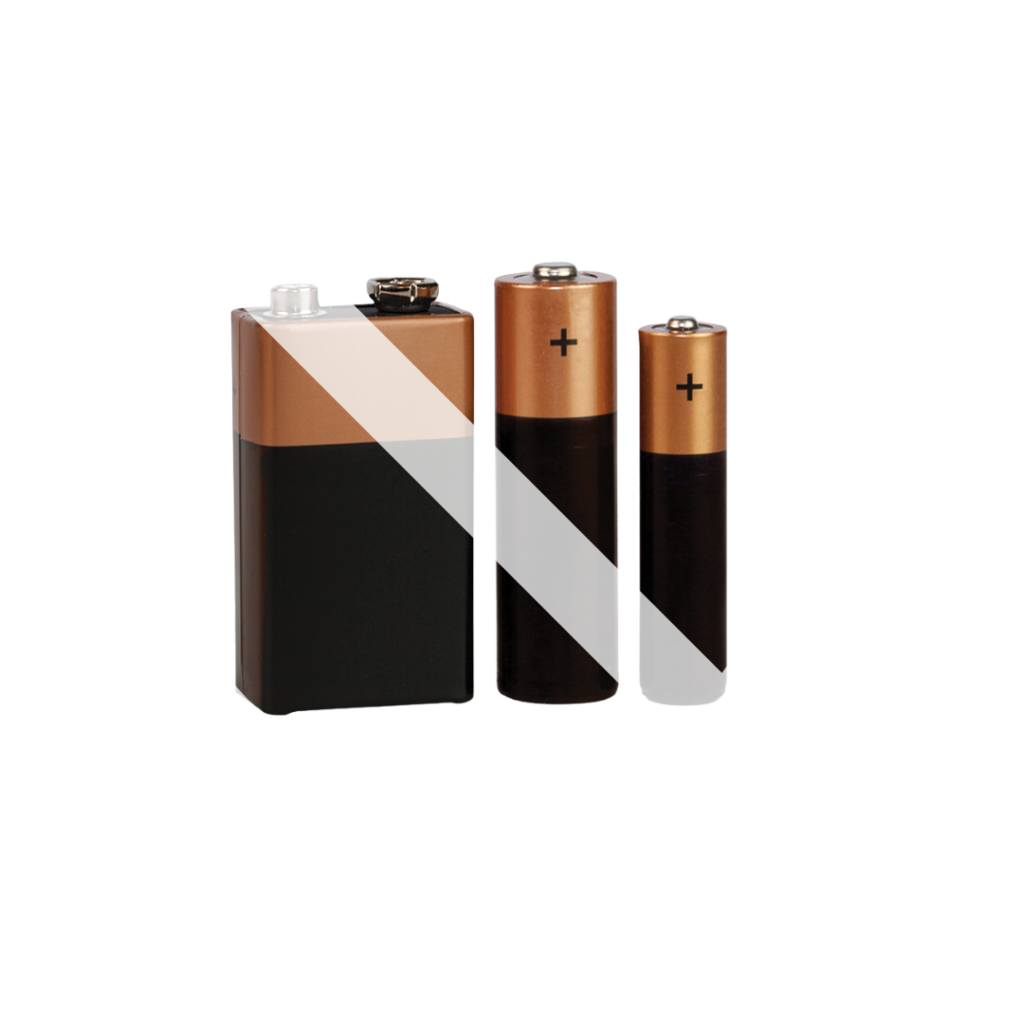
Hazardous materials, like batteries and medical sharps, do not belong in your recycling. Safely recycle them at a designated drop off location.
Find your depot
Airdrie Recycle Depot
Address: 21 East Lake Hill, NE, Airdrie
Phone: 311 Website
Operating hours:
Monday, Tuesday: CLOSED
Wednesday-Sunday: 9 a.m. to 5 p.m.
You can recycle these at this depot:
Electronics, lightbulbs and batteries
Household chemicals
Paper, cardboard and plastics
Glass and metal
Foam packaging
What’s not accepted
Books
Toys
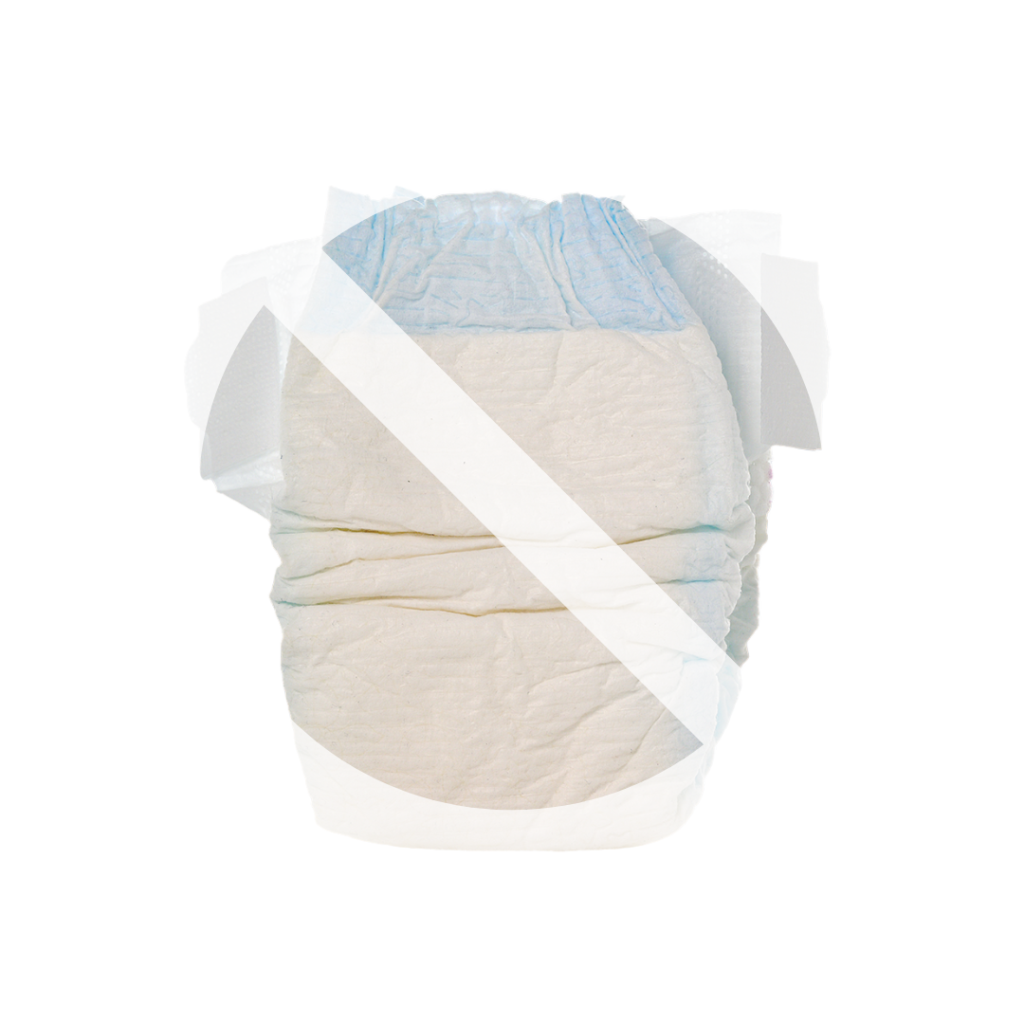
Diapers
Pot and Pans
Hazardous Materials
Batteries
Find out more about Alberta’s transition to extended producer responsibility.