✅ Remove film wrap and absorbent pads from meat trays.
Metal containers
Food cans, metal lids, cookie, coffee and tea tins, beverage cans.
✅ Empty and free from food residue.
❌ Do not include alcoholic beverage containers.
Aluminum (foils and trays)
Aluminum foil, pie plates, frozen food trays.
✅ Empty and free from food residue.
✅ Ball up aluminum foil.
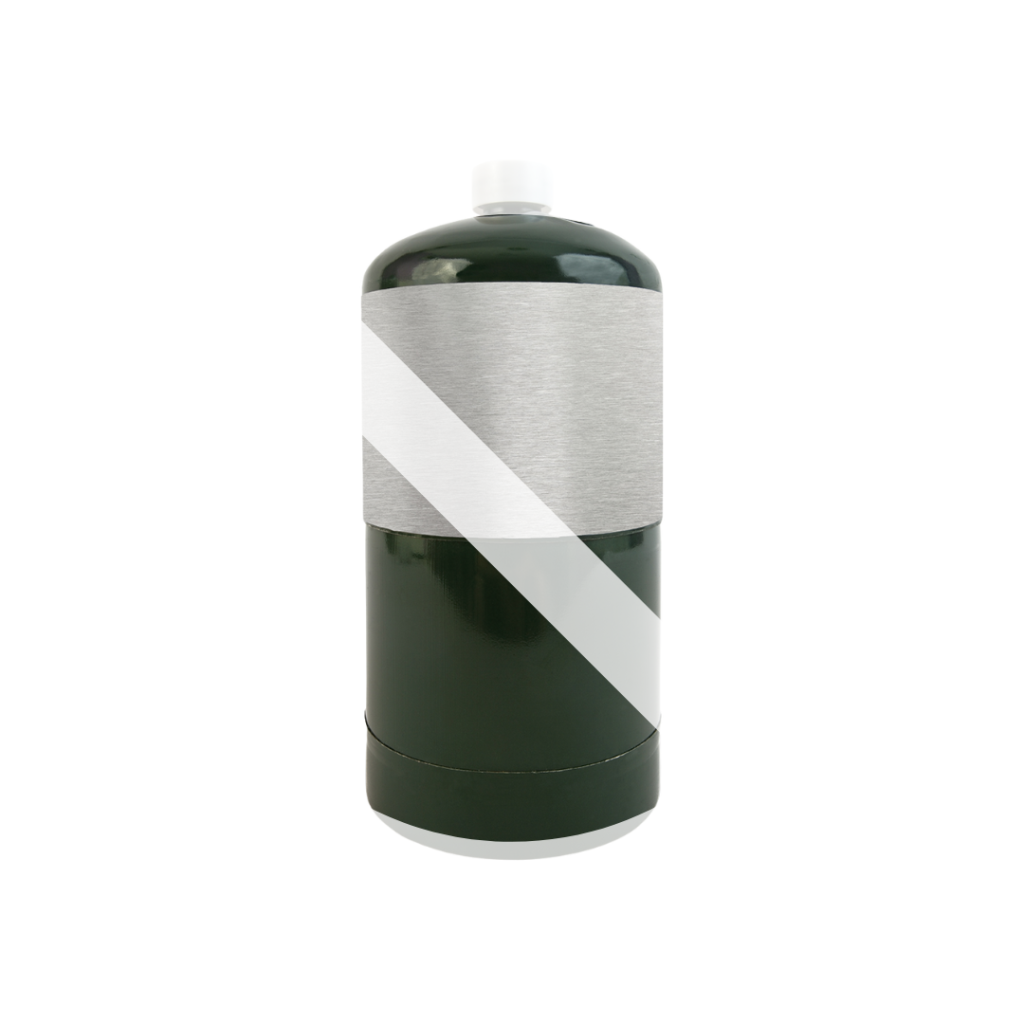
Aerosol containers
Food spray, hairspray, air fresheners, shaving cream, deodorant.
✅ Empty.
✅ Lids on.
❌ Aerosols with toxic, corrosive or flammable symbol are not accepted with the exception of:
Cooking oil sprays and products designed for food
Hairsprays, cosmetics and products designed to be used on hair/skin
Glass containers
Clear and coloured glass.
Food containers, jars and bottles, cosmetic containers, spice bottles, oil and vinegar bottles, non-alcoholic glass beverage containers.
✅ Empty and free from food residue.
✅ Lids off.
❌ Do not include alcoholic beverage containers.
Be recycle ready
Give containers a quick rinse before putting in your recycling.
Place materials clean, dry and loose in your recycling.
Flatten and bundle cardboard to save space.
Lids and labels can remain on containers.
Have your recycling to the curb by 7 a.m. on collection day.
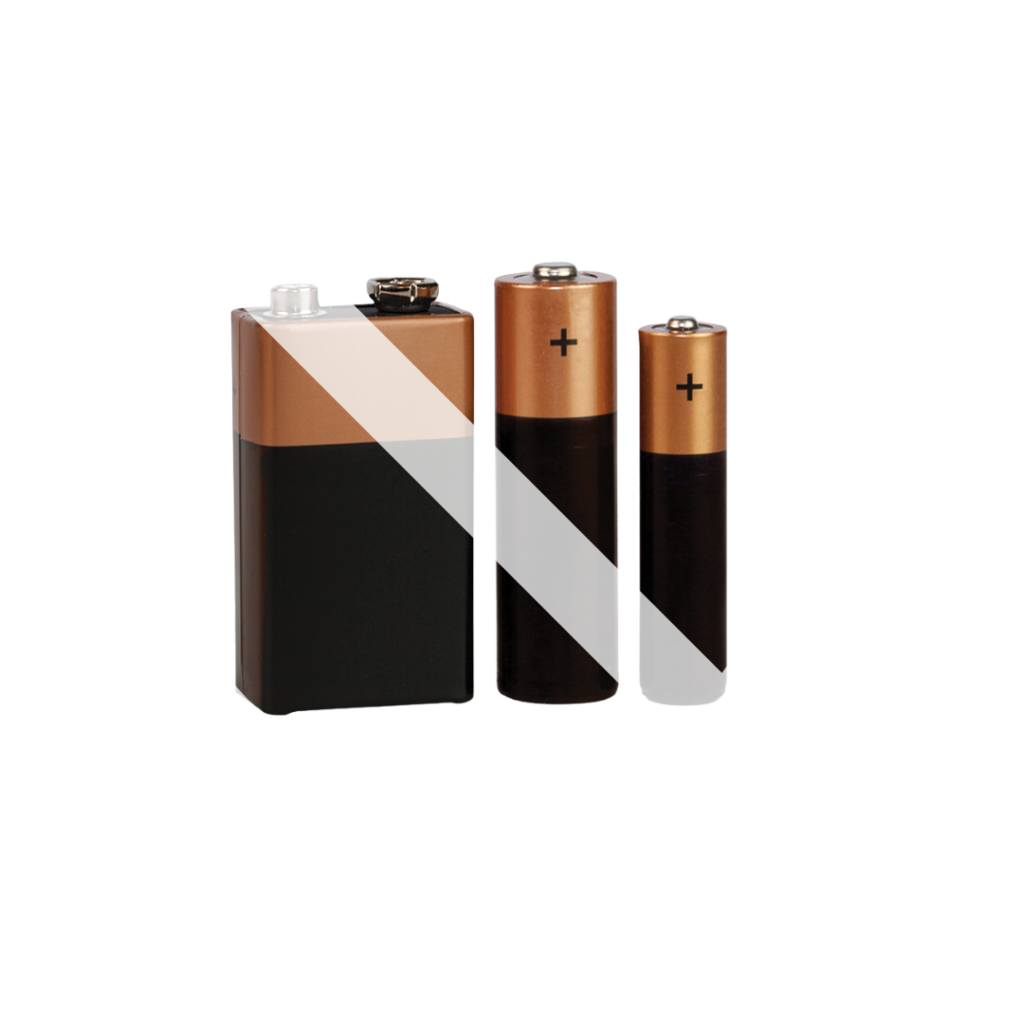
Hazardous materials, like batteries and medical sharps, do not belong in your recycling. Safely recycle them at a designated drop off location.
Find your depot
What’s not accepted
Books
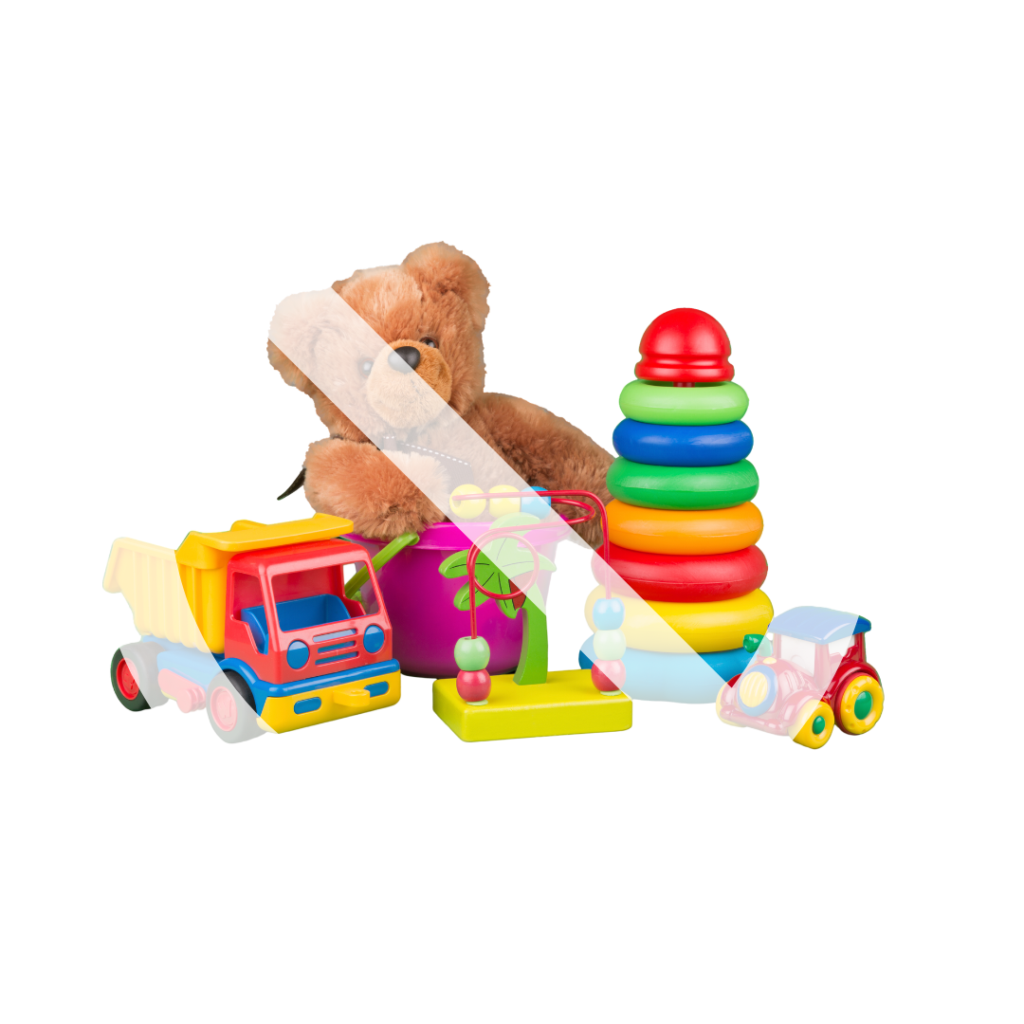
Toys
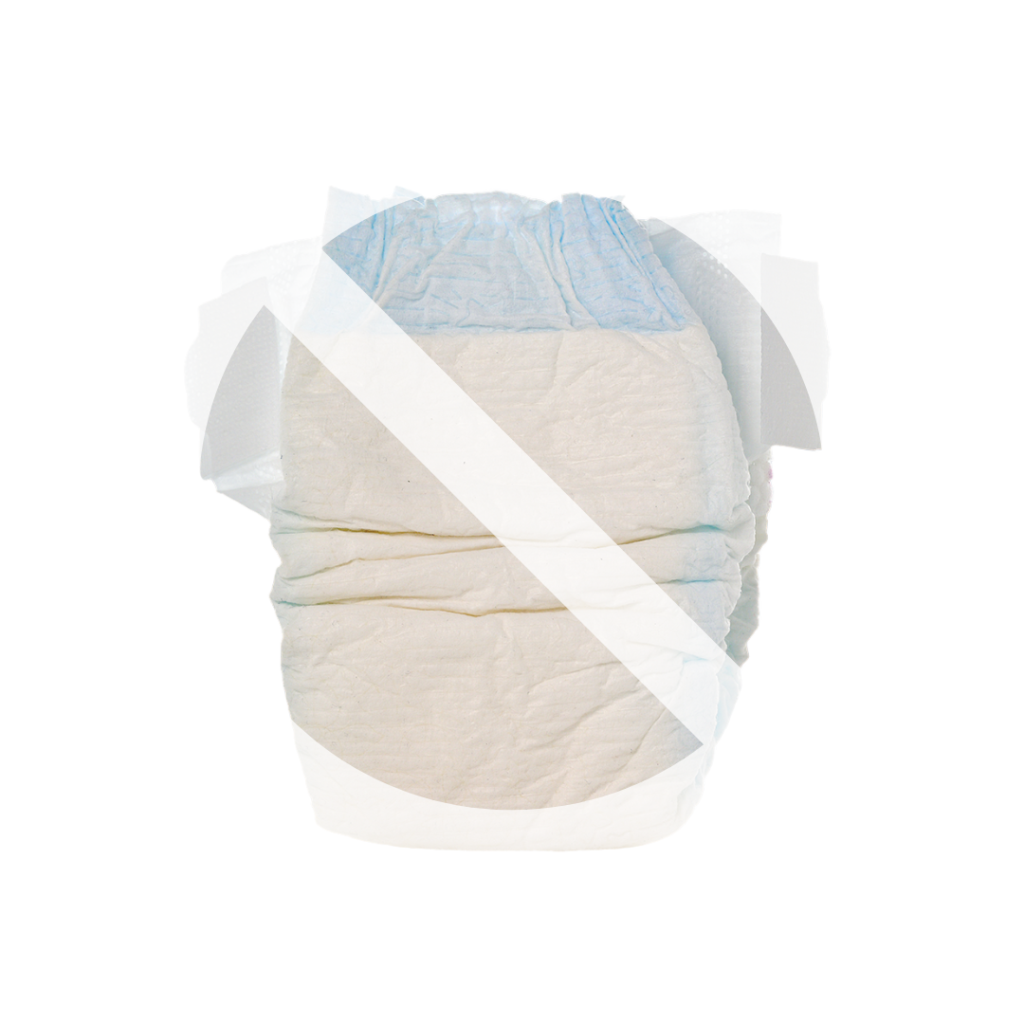
Diapers
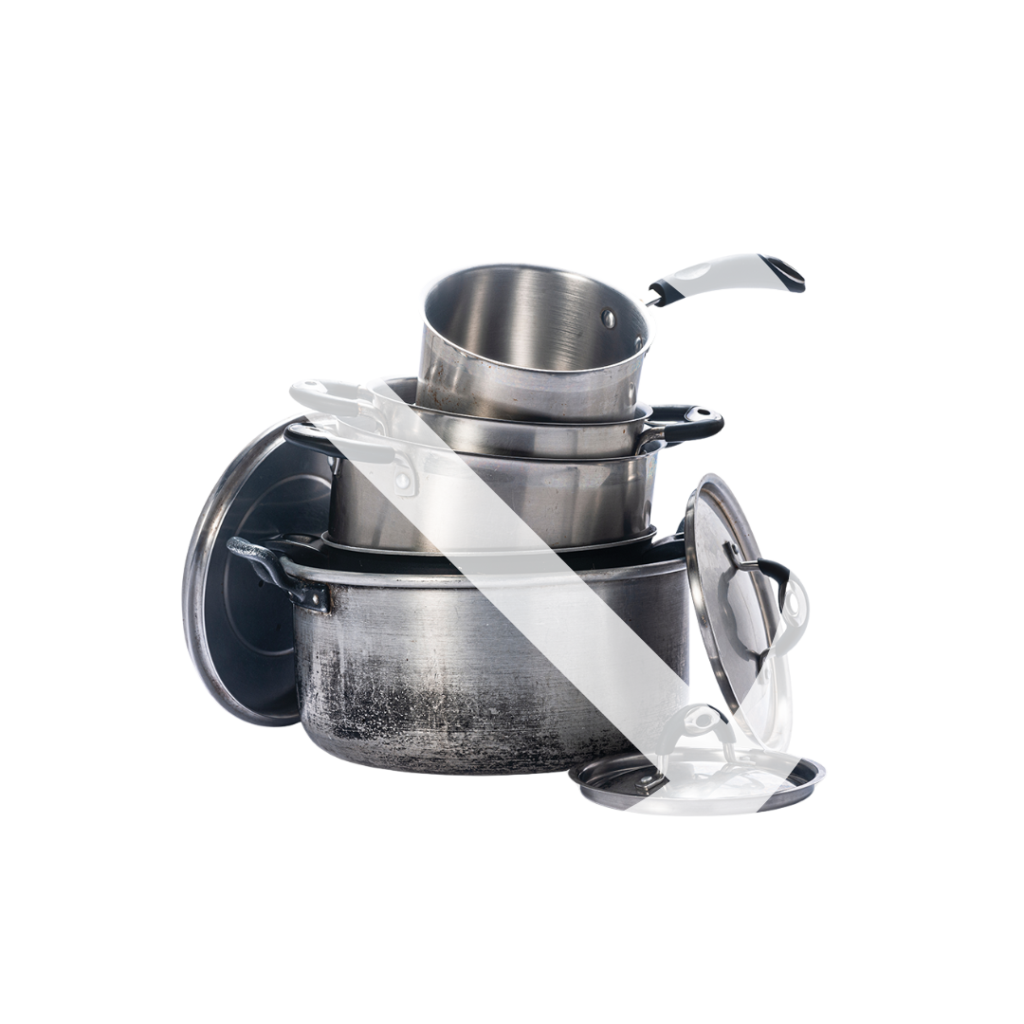
Pot and Pans
Hazardous Materials
Batteries
Did you receive an oops sticker?
Did you notice a yellow oops sticker on your recycling? This means your recycling had one of the following challenges:
Oversized cardboard was placed in your recycling.
Unaccepted items were included in your recycling.
Harmful materials were found in your recycling.
Incorrect container type was used for recycling.
Materials were not clean, dry, and empty.
How to be recycle ready
Follow these simple tips to ensure your materials are ready for collection and recycling:
Flatten and bundle your cardboard to save space in your recycling.
Check what’s accepted for recycling by reviewing the list of accepted materials.
Keeping hazardous items out of recycling – check with your community for safe disposal methods.
Use the correct recycling container type.
Place materials clean, dry, and empty in your recycling.
Questions?
For questions about oops stickers, contact your recycling contractor.
FAQs
How can I prepare my materials for recycling?
Place only accepted recyclable materials inside your recycling cart.
Flatten and bundle cardboard before placing it in your cart to save on space.
Ensure all containers are clean, dry and placed loosely in your cart. Do not bag your recyclables.
Lids and labels can remain on containers and cans.
What are the benefits of using a recycling cart?
Recycling carts, with lids fully closed, help minimize litter and reduce odour and pest issues.
Increased storage capacity between collections allows for more space for your recyclables.
Collection systems with recycling carts create a safer working environment for workers and reduce the risk of injury and accidents.
How can I prevent my recyclables from blowing away?
Keep your recyclables secure in your cart by making sure the cart lid is fully closed. On windy days, position the cart so the lid opens away from the wind.
How can I prevent my recycling cart from tipping over?
In areas where carts are being blown over by passing vehicles or strong roadside wind gusts, you can take a few steps to help improve cart stability and prevent recyclables from blowing away.
Set carts out only when full or nearly full, where possible.
A fuller cart has more weight and is less likely to tip over when exposed to wind gusts from passing transport trucks. Partially empty carts are lighter and more vulnerable to being blown over.
Place carts farther back from the roadway while still keeping them visible and accessible for collection.
Where property conditions allow, residents should avoid placing carts directly at the edge of the road or shoulder. Moving the cart slightly farther away from the travel lane can help reduce the impact of wind turbulence caused by large vehicles.
Use a stable, level set-out location.
Carts should be placed on a flat surface whenever possible. Avoid placing them on slopes, soft gravel, snowbanks, uneven shoulders, or areas where the wheels may shift.
Ensure the lid is fully closed.
An open or partially open lid can catch wind and make the cart more likely to tip. Closing the lid also helps keep material contained if the cart does fall over.
Face the cart properly for collection.
Where automated collection is used, carts should still be positioned with the wheels and handle facing the house and the lid opening toward the road. Proper placement helps the driver collect the cart without needing to reposition it.
Avoid packing lightweight items at the top.
Lightweight materials near the top of the cart can shift or catch wind if the lid opens. Heavier material at the bottom can help improve balance.
Set carts out as close to the collection time as practical. If residents know carts are frequently blown over overnight or early in the morning, placing carts out later in the allowable set-out window may reduce the amount of time they are exposed to truck traffic and wind.
How should I set out my cart for collection?
Set your recycling cart so that the wheels are away from the curb (towards your home, and the lid opens to the street).
Place recycling cart at least 3 feet in front of or beside fences or vehicles.
Place your cart on a flat surface clear of snow and ice. For rural one-way roads, please place carts on the designated collection side of the road.
Residents should have their cart at the curb by 7 a.m. on the morning of their scheduled collection day.
How should I set out my cart for collection in the winter?
Place your cart on a flat surface.
Keep your cart clear of any obstacles or snowbanks and ensure it is visible and accessible for collection.
Place your cart at the end of your driveway, not on the road.
Clear any snow and ice from the lid before setting it out for recycling.