FR

Learn how to make recycling a breeze this summer

Recycle your summer materials to give them a second life

Recycle right this summer. Learn more about recycling some common summer materials below: 

Plastic bottles and containers

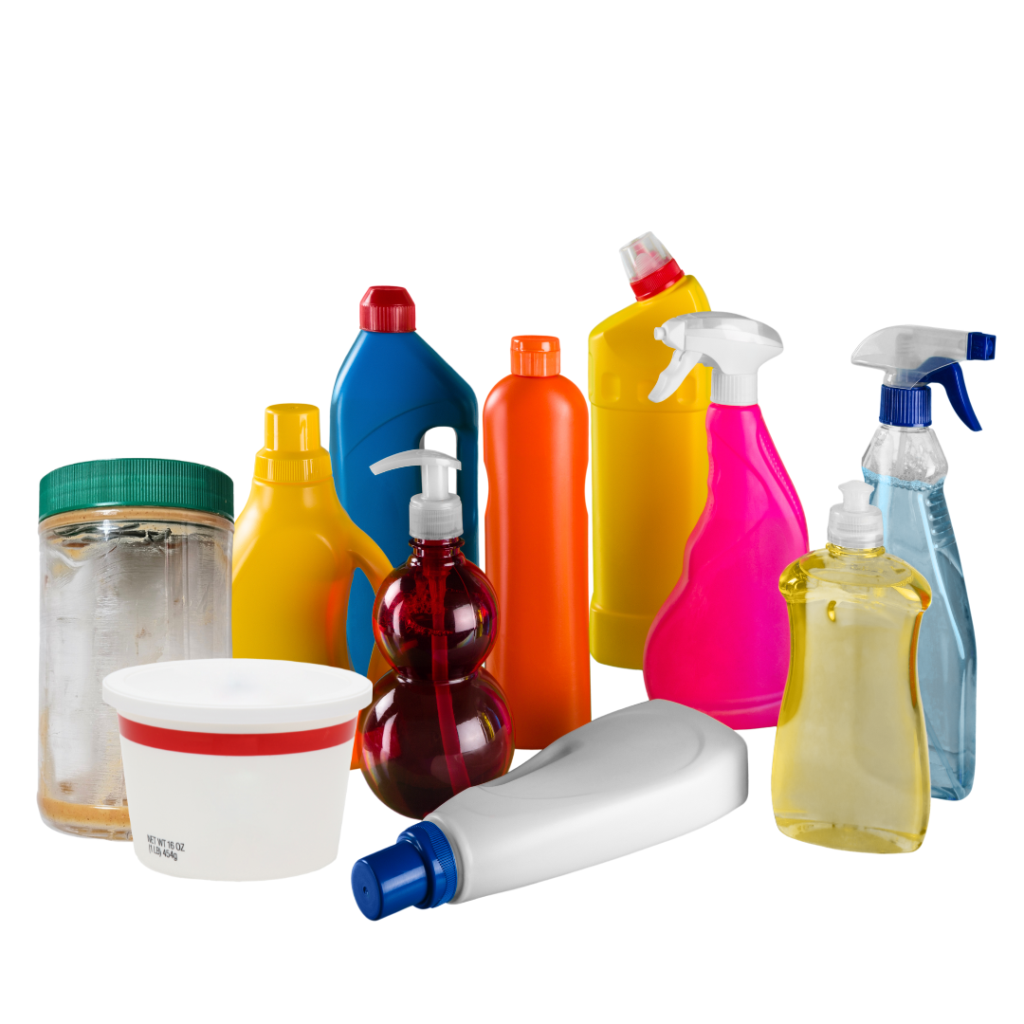
Hydration is crucial during the summer, and so is recycling those plastic containers – including sunscreen bottles and tubes.  

Some other plastic items that are accepted in your recycling include peanut butter containers, empty ice cream containers, yoghurt cups and condiment containers.

How to recycle:  

  • Rinse and dry bottles before placing them in your recycling.  
  • Leave the caps on unless advised otherwise by your local recycling rules.
  •  

Did you know?

Recycling one tonne of plastic saves approximately 5,774 kWh of energy—that’s enough to power a small home for months!  

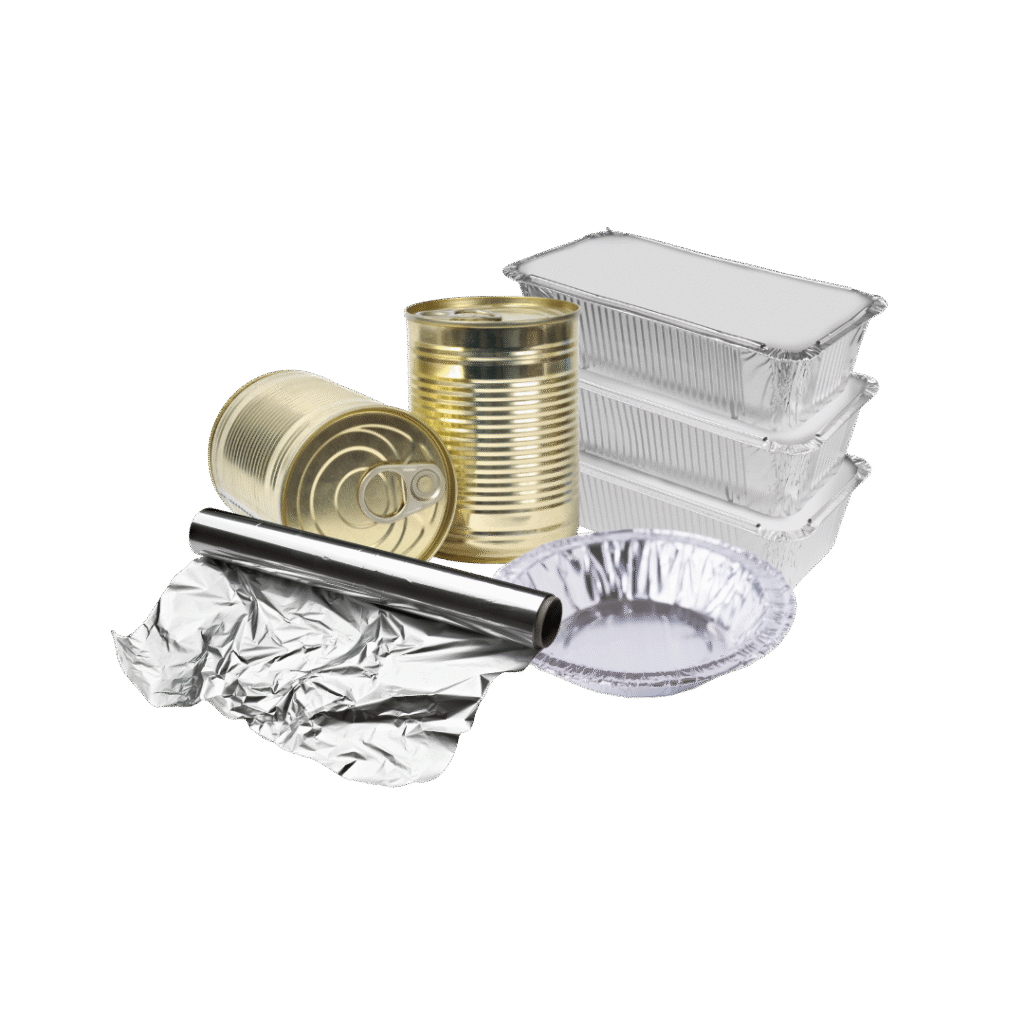
Aluminum cans and foil

Aluminum is one of the most efficient materials to recycle, as it can be melted down and repurposed indefinitely without losing quality.  

Some examples of recyclable aluminum and foil include formula tins, pet food cans, tin foil and foil take out containers.

How to recycle:  

  • Give them a quick rinse to remove residue.  
  • Place in your recycling clean, dry and loose. 


Did you know?

Recycling one aluminum can saves enough energy to power a TV for three hours.

Paper

Paper plates, and wrapping paper from summer events can often be recycled, provided they are clean and free of food or grease stains.  

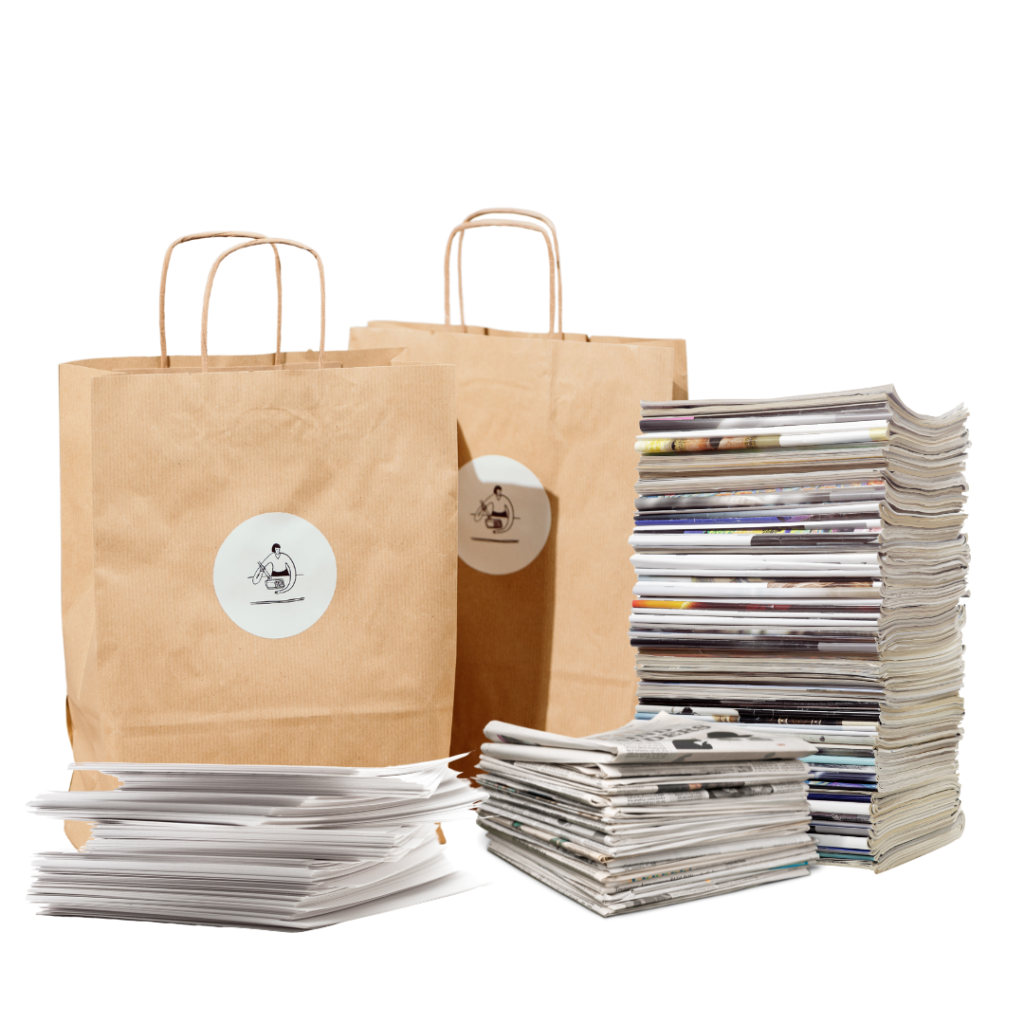
Some examples include brochures, magazines and paper shopping bags.

How to recycle:  

  • Only clean and dry paper products and packaging should go in your recycling. 

Did you know?

Recycling one tonne of paper saves 17 trees and 28,0000 litres of water. That’s enough to fill up to 127 bathtubs!

Cardboard

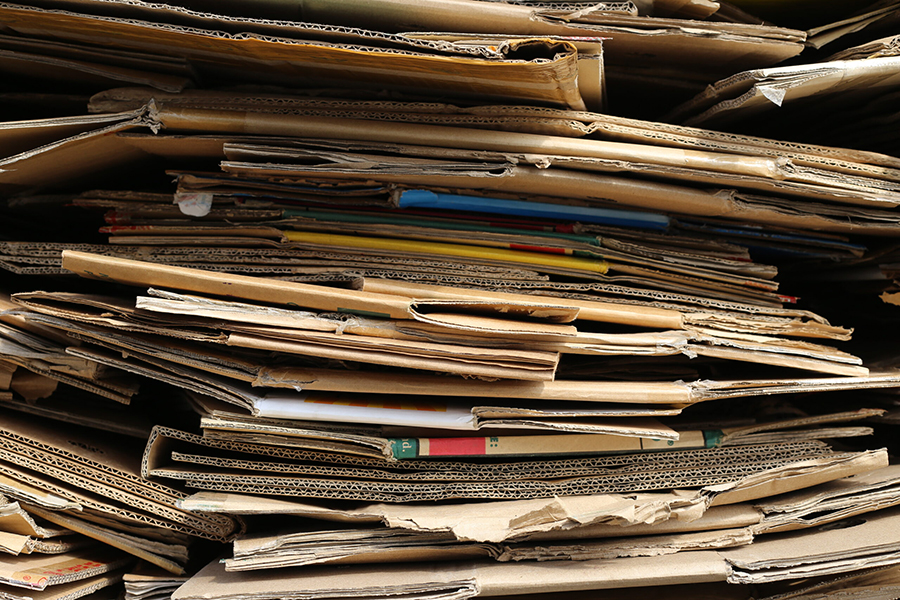
Your packaging from pool toys, grills, and beach gear is likely made of cardboard and can be recycled.

Examples of recyclable cardboard include product packaging boxes, take out boxes, cereal boxes and empty snack boxes.

 How to recycle:  

  • Break down and flatten cardboard boxes.  
  • Ensure empty food containers are free from food residue and grease.

Did you know?

Cardboard, once recycled, can be turned into new boxes in as little as two weeks.

These summer items don’t belong in your recycling

Not everything belongs in your recycling. Throwing the wrong items into recycling creates contamination, which can result in entire batches of materials not being recycled.  

Reusable containers

Reusable plastic and aluminum containers, such as steel coffee travel mugs, reusable plastic water bottles, and Tupperware that are meant for long-term use are not recyclable.

Party supplies

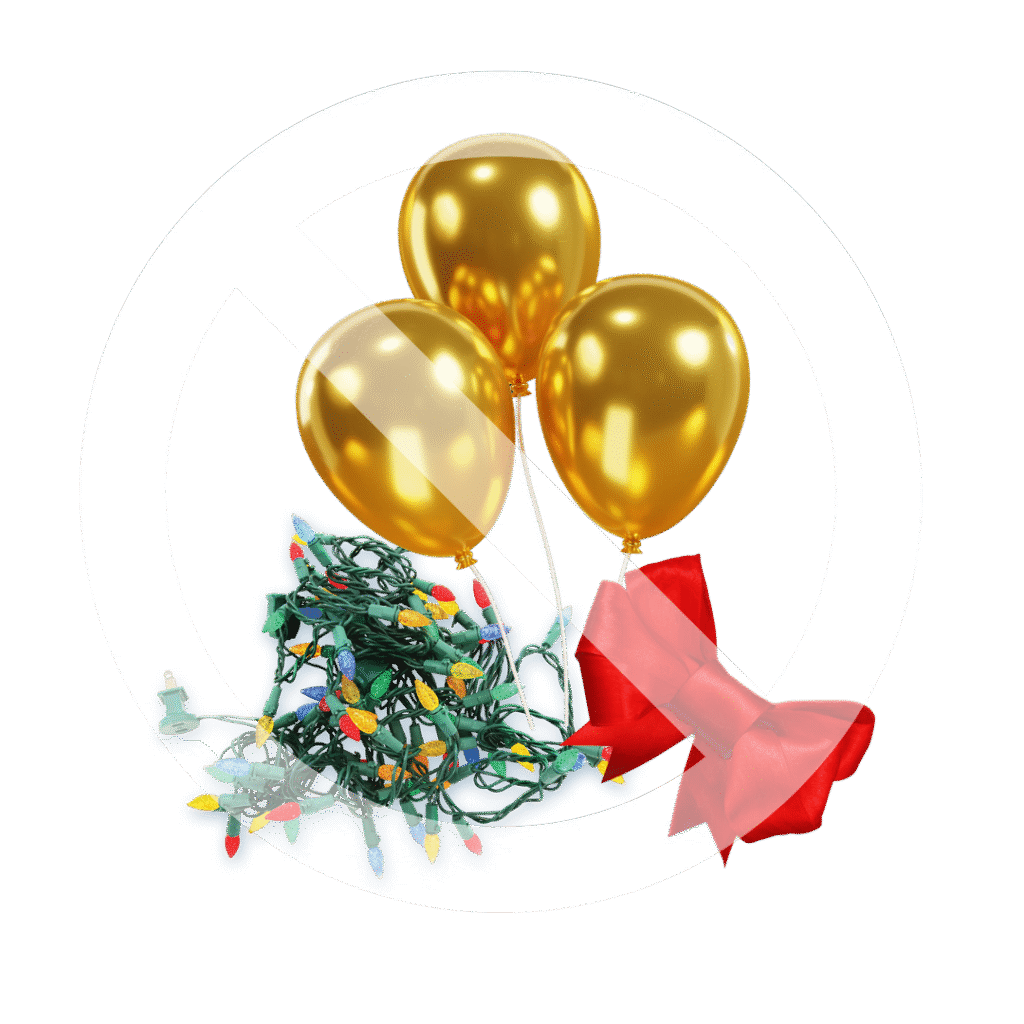
String lights, balloons, ribbons, glitter cards and foil wrapping paper are not recyclable.

Metal utensils and grilling equipment

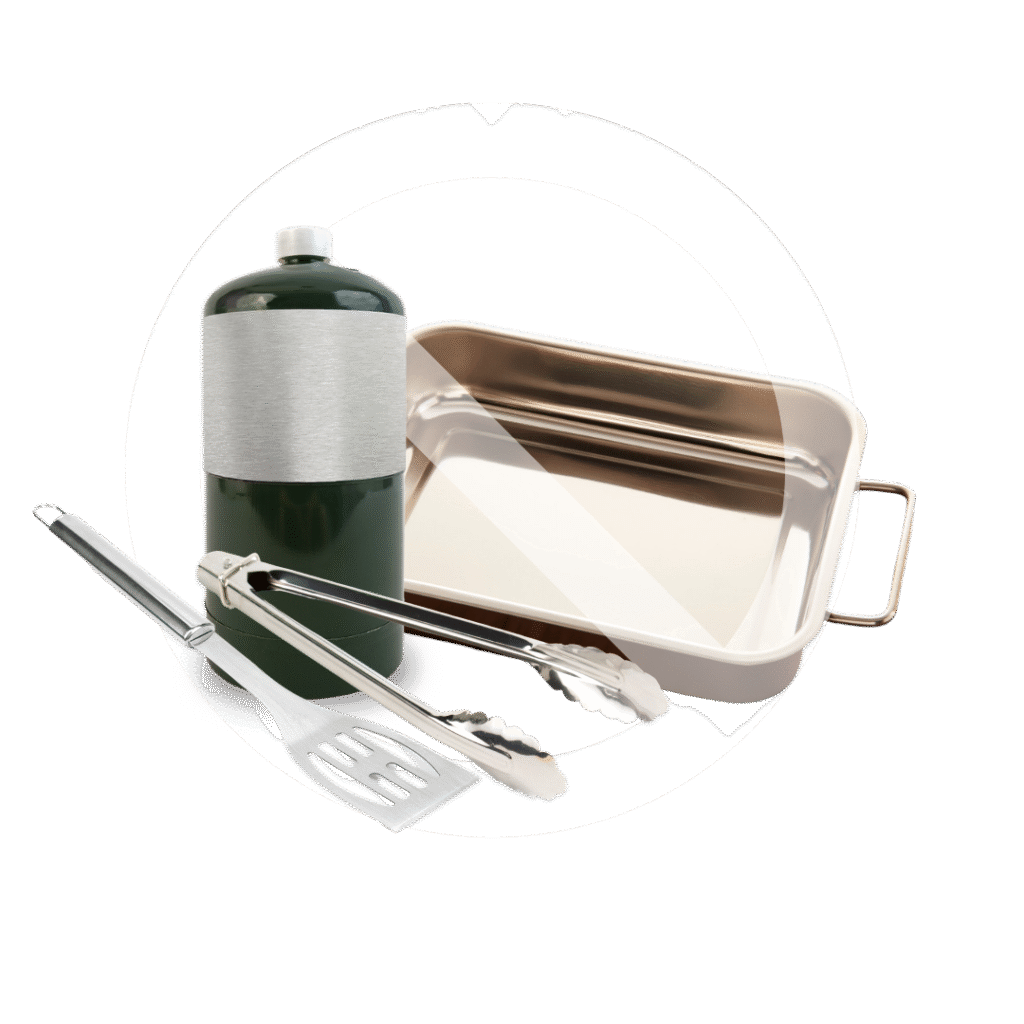
Metal utensils such as grills, tongs, cutlery, and propane canisters are not recyclable through curbside programs. These items can cause significant damage to recycling machinery and should be handled separately. Safely recycle them at a designated drop off location.
Food waste

Leftovers from your picnic or barbecue? Food waste cannot be recycled in regular recycling bins, but it can often be composted.

Toys and inflatables

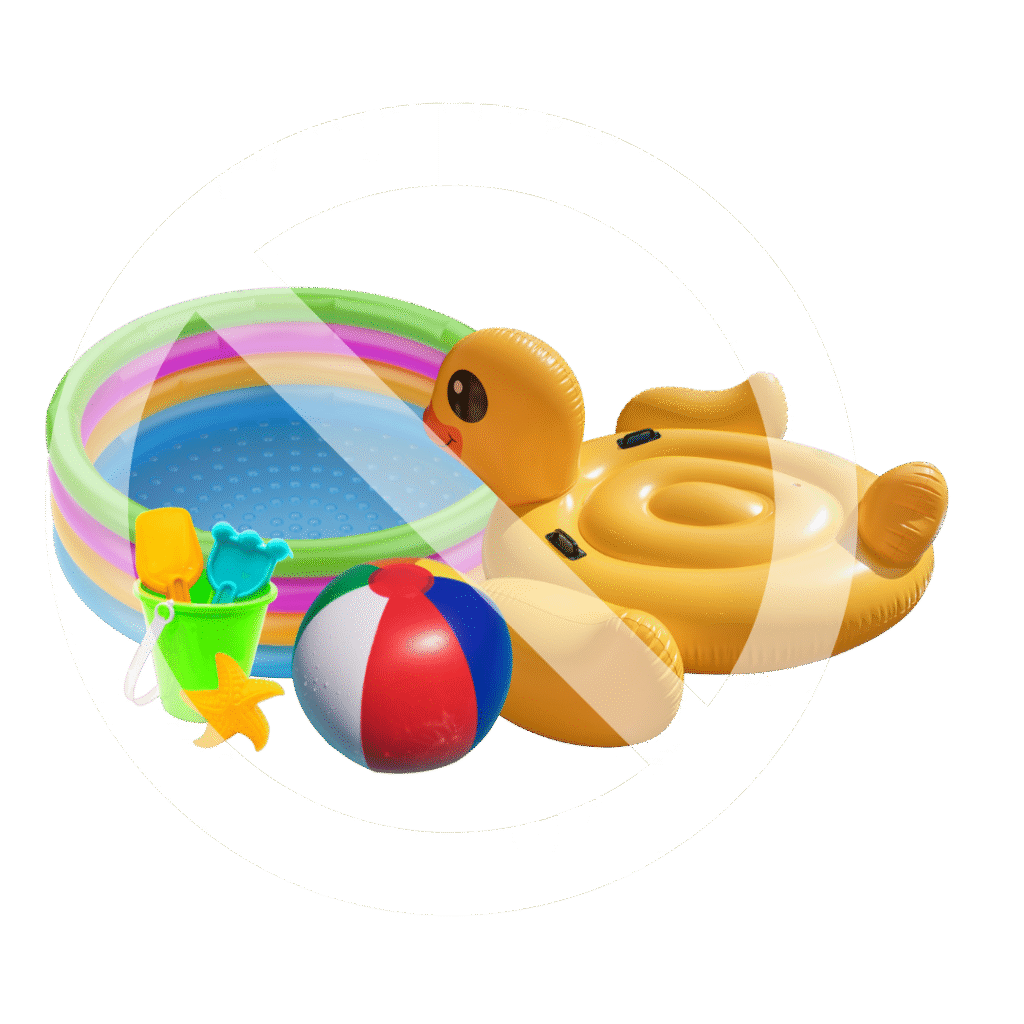
Inflatable pool toys, floaties, and beach balls are typically made of PVC, a material that most curbside programs do not accept. Consider donating them or recycling them at a designated drop off location.
Garden hoses

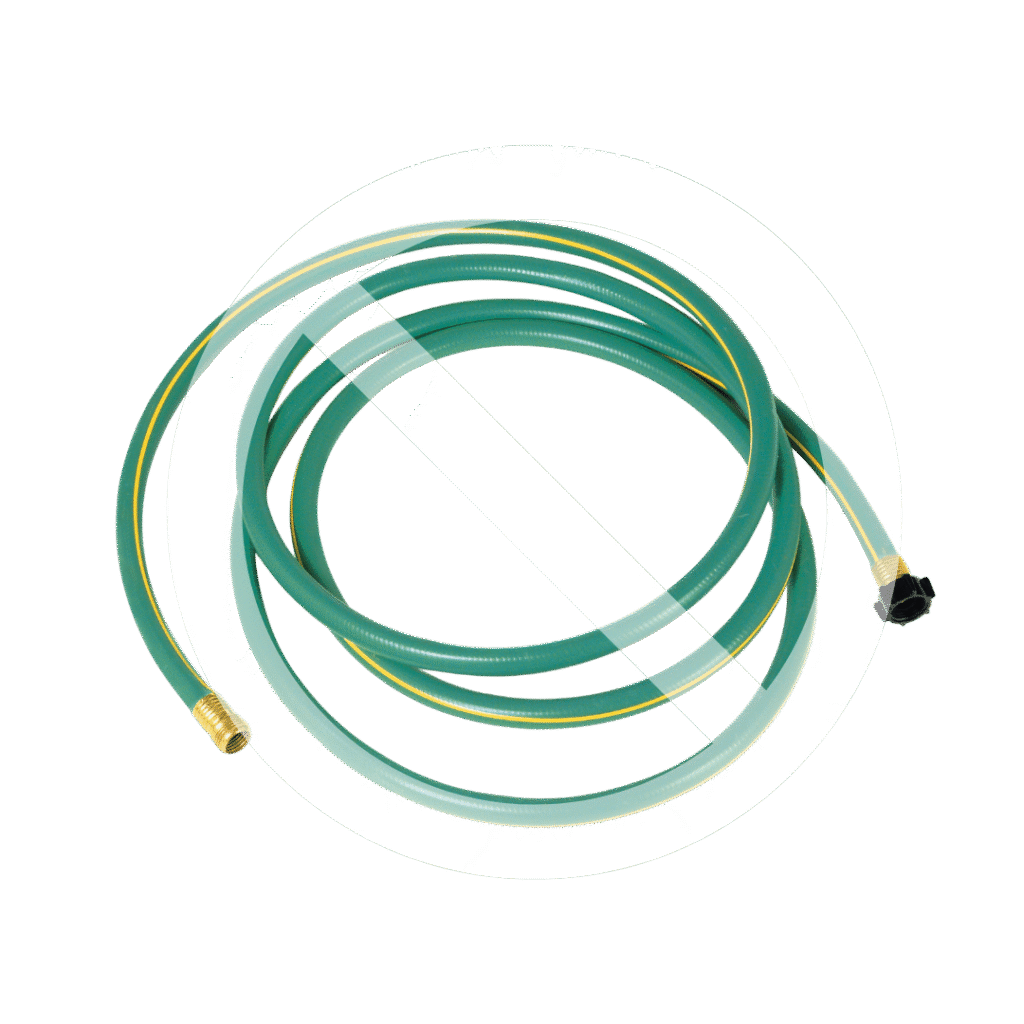
Garden hoses are considered “tanglers” and can damage recycling machinery. Plan for proper disposal or look into specialized facilities that accept hard-to-recycle items.

Tips for making summer recycling easier

Set up separate bins at home.

Organize your space by having clearly marked bins for recyclables and non-recyclables. This helps avoid contamination and makes recycling a daily habit.

Check your local recycling guidelines.

Recycling rules vary by region. Check your local recycling website to understand exactly what items are accepted in curbside recycling.

Find your local recycling information

Type your community name to find more information about your recycling program. If your community is not listed, please refer to your community’s website for recycling information.

[searchwp_form id=2]

Small steps lead to big changes

Recycling may seem like a small effort but its impact is profound. By understanding what to recycle, how to do it properly, and avoiding common mistakes, you play a vital role in protecting the environment. 

This summer, keep the fun going and the planet thriving. Remember, every can, bottle, and piece of cardboard makes a difference.  

Learn more about recycling

Find more resources about recycling in your province.