Recycling is a powerful way to make a positive impact on the environment. By giving materials a second life, we reduce the strain on natural resources, lower pollution, and help create a cleaner, healthier planet for future generations. It’s a simple yet meaningful step everyone can take to contribute to a more sustainable and responsible way of living.
Recycling aluminum cans saves up to 95% of the energy required to make new cans.
Recycling one tonne of paper can save up to 26,000 litres of water. That’s enough to fill 173 standard bathtubs.
Recycling just one tonne of paper can save up to 17 trees.
Recycling ensures materials can be used again in new products and packaging.
That alluminum can you recycle today could be back on the store shelf in 60 days.
Aluminum can also be recycled infinitely without losing quality.
Aluminum is often used again in appliances, car parts and even bicycles.
Recycling one tonne of plastic saves approximately 5,774 kilowatt-hours (kWh) of energy—that’s enough to power a small home for months!
Recycled plastic bottles are turned often turned into jackets, shoes and bags.
On average, recycling one ton of paper can save about 4,000 kilowatt-hours (kWh) of energy. This is roughly enough to power an average home for about six months! It also reduces the energy needed to produce new paper from raw materials by about 40-70%, depending on the process.
Recycled paper can be transformed into cereal boxes, egg cartons and paper towels.

Learn more about your community’s recycling program.
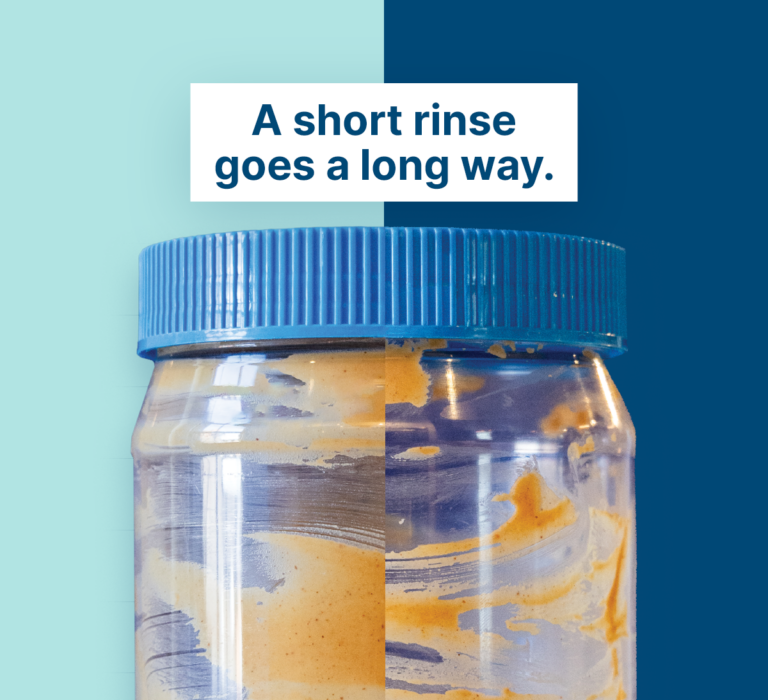
Give containers a quick rinse before putting in your recycling.
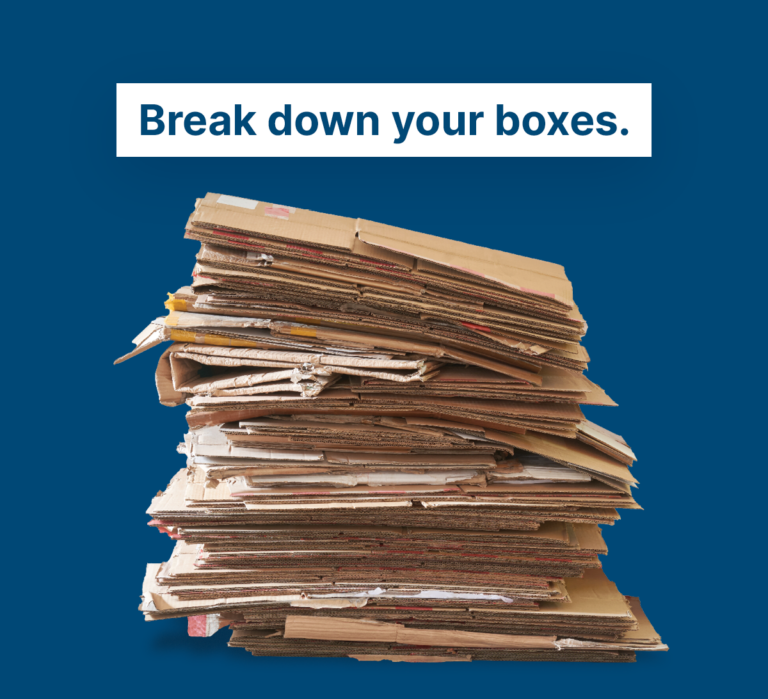
Bundle and tie cardboard to save space.
Ensure materials are clean, dry and loose in your recycling.
Keep hazardous materials, such as batteries and sharps, out of your recycling. Safely recycle them at a designated drop-off location.